

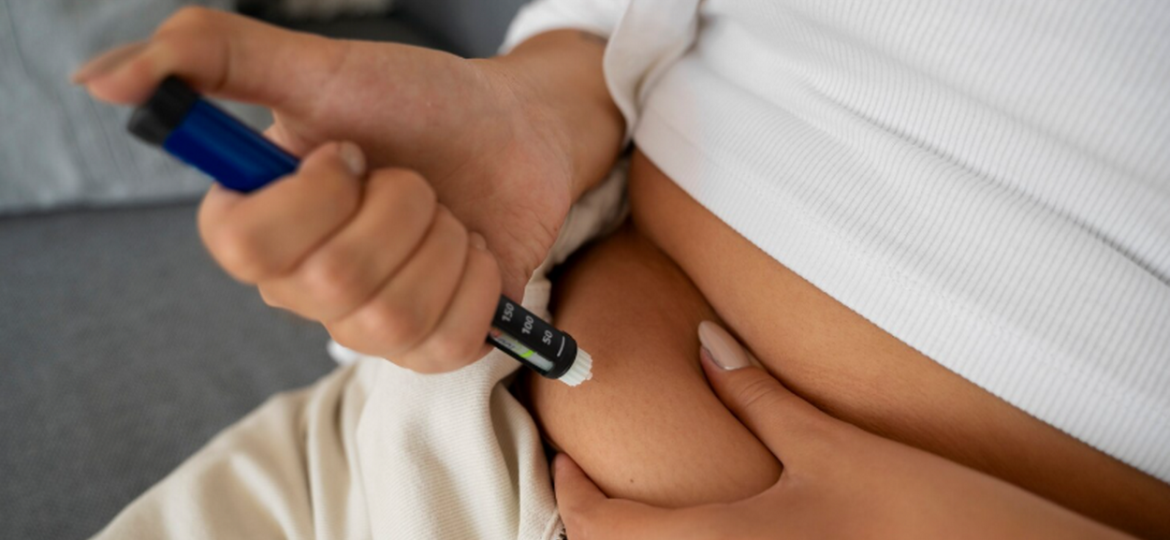
Weight management is a challenge for many people, and with a growing number of options available, deciding on the right approach can feel overwhelming. Two popular solutions in New Zealand are Ozempic, a prescription medication for weight loss and weight loss surgery. Both can be effective, but they differ significantly in terms of how they work, results, risks, and suitability.
What Is Ozempic and How Does It Work?
Ozempic is a prescription medication primarily used to manage type 2 diabetes, but it has gained popularity as a weight loss drug due to its ability to reduce appetite and control blood sugar levels. This drug is one of several weight loss drugs available for weight management. Its active ingredient, semaglutide, mimics a naturally occurring hormone called GLP-1 (glucagon-like peptide-1). GLP-1 is a hormone produced by the pancreas that helps regulate insulin and blood sugar. By activating GLP-1 receptors in the brain, Ozempic helps you feel fuller for longer, slows digestion, and reduces appetite leading to a reduction in calorie intake.
For those exploring Ozempic for weight loss, it is often prescribed as part of a comprehensive weight management plan that includes a balanced diet and regular exercise. Ozempic is approved for diabetes management, and brand names like Ozempic and Wegovy are used for different indications, with Wegovy specifically approved for weight loss.
What Is Weight Loss Surgery?
Weight loss surgery also known as bariatric surgery refers to procedures designed to help people lose weight by physically altering the digestive system. Common types of surgery in New Zealand include:
- Gastric Bypass Surgery: Reduces stomach size and alters the small intestine to limit calorie absorption; this is a significant surgical intervention often used for substantial weight loss.
- Sleeve Gastrectomy: Removes a large portion of the stomach, reducing its capacity and limiting food intake.
These procedures are performed by a bariatric surgeon, a specialist in surgical weight loss.
Weight loss surgery is usually recommended for people with severe obesity, particularly those who are morbidly obese or have excess weight that poses significant health risks, or for those who have struggled to achieve sustainable results through diet, exercise, or medication.
Effectiveness: Ozempic vs Surgery
When comparing Ozempic weight loss to surgical options, there are some key differences:
Ozempic: Patients can typically expect to lose 5–15% of their body weight over six to twelve months, depending on adherence to diet, exercise, and the medication regimen. Many patients experience significant weight loss, and the percentage of weight lost is an important metric for evaluating effectiveness.
Weight Loss Surgery: Surgical procedures often result in 20–35% total body weight loss within the first year. This represents significant weight loss that can have a profound impact on a patient’s life in the long term. The results are more dramatic and sustained, particularly when paired with long-term lifestyle support.
Risks and Side Effects
Every treatment option comes with potential risks.
Ozempic:
Potential side effects include a range of symptoms such as nausea, vomiting, diarrhea, and constipation.
Rarely, it can lead to pancreatitis, kidney problems, or gallstones as a complication.
Because it is a medication, its weight loss effects can diminish if you stop taking the treatment.
Weight Loss Surgery:
Risks include infection, bleeding, and complications related to anesthesia.
Long-term risks may include nutritional deficiencies, dumping syndrome, or surgical revisions.
Surgery requires a strong commitment to lifestyle changes, including diet, exercise, and vitamin supplementation.
Lifestyle Considerations
Choosing between Ozempic and surgery also depends on your lifestyle and personal preferences.
Ozempic for weight loss is non-invasive, does not require hospitalisation, and allows you to maintain a relatively normal daily routine. However, it does require ongoing prescriptions, monitoring, and adherence to healthy eating, mindful eating habits, and regular exercise.
Weight loss surgery requires recovery time, dietary adjustments, and regular medical follow-ups. While more invasive, it can be transformative for people with severe obesity or those who need significant, rapid weight loss. After surgery, hormones like GLP-1 are released in response to eating, which helps regulate appetite and satiety.
Both approaches should be considered as part of a broader focus on overall wellbeing, including mental and emotional health, not just weight.
Cost Considerations in New Zealand
Ozempic: The cost of Ozempic weight loss treatment can vary depending on prescription and insurance coverage. While ongoing, it may be less expensive upfront than surgery but requires continuous investment.
Weight loss surgery NZ: Surgery typically has a higher upfront cost, but long-term weight management can reduce healthcare costs related to obesity and associated conditions such as diabetes, hypertension, heart disease, and joint problems. Research shows that both medical and surgical interventions can benefit patients by lowering risk factors and improving overall health outcomes.
It’s important to consult with a healthcare professional to evaluate which option is more cost-effective for your circumstances.
Who Should Consider Ozempic?
Ozempic is suitable for adults who:
- Have a BMI over 27 with obesity-related health conditions, or over 30 without
- Are overweight or obese and are unable to lose weight through diet and exercise alone
- Prefer a non-surgical, reversible option
- Have mild to moderate obesity-related health conditions
- Are looking for gradual, steady weight loss
Most people struggle with weight management at some point, and it is important to recognize that obesity is a disease that may require medical intervention.
Who Should Consider Weight Loss Surgery?
Weight loss surgery is usually recommended for individuals who:
- Have a BMI over 30 with obesity-related health conditions, or over 35 without
- Have struggled to achieve significant, sustained weight loss with non-surgical options
- Are willing to commit to long-term lifestyle changes and follow-up care
- Want a more dramatic and lasting weight loss solution
Certain serious health complications, such as type 2 diabetes, high blood pressure, and sleep apnea, can occur as a result of severe obesity, making surgery a necessary option for some individuals.
Making the Right Choice
Choosing between Ozempic vs weight loss surgery comes down to your health goals, medical history, lifestyle, and preferences. For some, a gradual, non-invasive approach with Ozempic is ideal. For others, surgery provides the most effective path to substantial, long-term weight loss.
Whether you’re considering Ozempic for weight loss or exploring surgical options, contacting Southern weight loss is the first step towards achieving a healthier, sustainable weight.
Southern Weight Loss is here to assist you! Our specialist has been very helpful in making changes to our customers’ lives. Not only has this trip changed their body, but it has also given them more confidence and a better sense of well-being. Looking ahead, there is still a strong desire to keep these good changes going, which will lead to a healthier and happier future. Contact us today for a free consultation!