

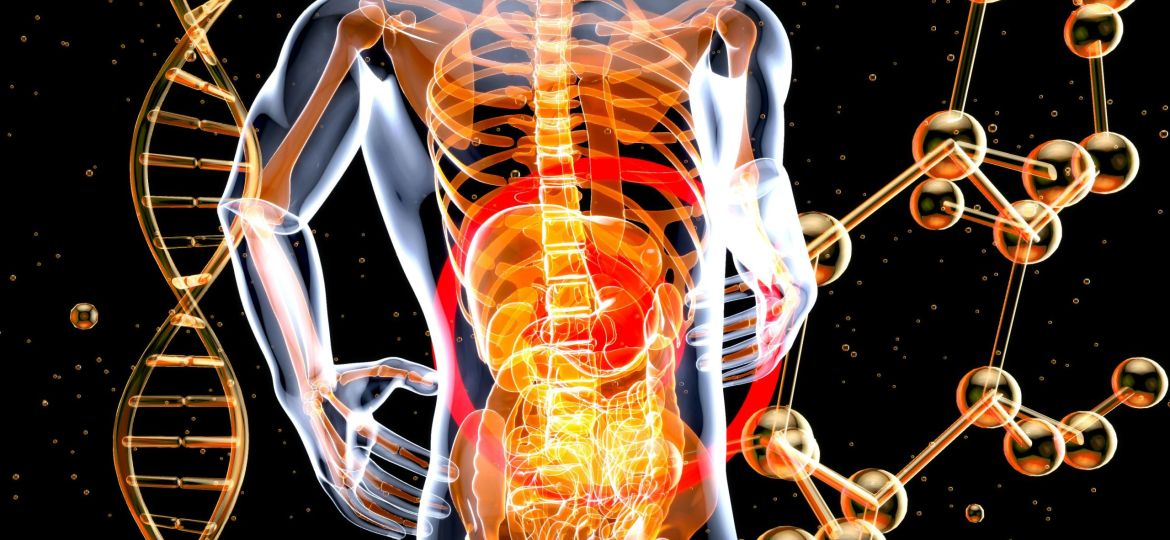
How Gut Hormones Affect Weight
When it comes to managing obesity, there’s much more going on than willpower alone. Your gut hormones play a crucial role in controlling hunger, metabolism, and body weight — and understanding this connection is key to long-term success.
Your gut acts like a communication hub, sending hormonal signals between your digestive system and your brain. These gut hormones, including ghrelin, GLP-1 (glucagon-like peptide-1), PYY (peptide YY) and CCK (cholecystokinin), determine when you feel hungry and when you feel full.
- Ghrelin – the “hunger hormone” – rises before meals and increases appetite.
- GLP-1 and PYY help slow digestion and signal fullness after eating.
- CCK supports fat digestion and enhances satiety.
Why Gut Hormones Matter in Obesity
In people living with obesity, these hormonal signals can become disrupted. Hunger hormones like ghrelin may stay elevated, while fullness hormones such as GLP-1 and PYY don’t rise enough after meals. This imbalance makes it harder to control appetite and maintain a healthy weight — even with a balanced diet and regular exercise.
Modern Treatments Targeting Gut Hormones
That’s where new treatments such as GLP-1 medications (Ozempic® and Wegovy®) and evidence-based nutrition plans can help. These therapies work with your body’s natural hormones to restore balance, reduce hunger, and support sustainable weight loss.
At Southern Weight Loss in Dunedin, our team of obesity specialists and registered dietitians use the latest gut hormone research to personalise your care. We combine medical treatment, nutrition guidance, and ongoing monitoring to help you achieve lasting results.
Take Control of Your Weight Today
Ready to take the next step? Contact Southern Weight Loss to book a consultation and learn more about your options. We’re here to guide you through the process and answer your questions. Let our experienced team help you build a sustainable path to better health. Your journey starts with one simple conversation.