

A GP guide for obesity management in Dunedin, Otago & Southland
At Southern Weight Loss Dunedin, we work closely with GPs across Otago, Southland, Queenstown, Wanaka, Invercargill and Oamaru to deliver evidence-based obesity treatment.
With the availability of Mounjaro (tirzepatide) in New Zealand and established surgical options such as One Anastomosis Gastric Bypass (OAGB), primary care clinicians are increasingly asked:
Should my patient stay on medication long term, or consider metabolic surgery?
This guide provides a clinically practical, New Zealand-specific comparison to assist referral decisions.
Obesity treatment in New Zealand: two highly effective pathways
Obesity is a chronic, relapsing metabolic disease. Both pharmacotherapy and bariatric surgery now produce clinically meaningful weight loss and metabolic improvement. However, they differ fundamentally in durability, cost trajectory, and remission rates for obesity-related comorbidities.
At Southern Weight Loss (Mercy Hospital, Dunedin), we frequently see patients who:
- Have plateaued on GLP-1/GIP therapy
- Cannot tolerate escalation’
- Are concerned about long-term medication cost
- Seek definitive metabolic intervention
Mechanism of action
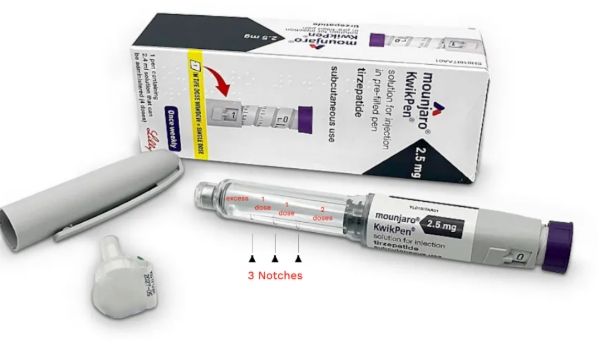
Tirzepatide (Mounjaro®)
Tirzepatide is a dual GIP and GLP-1 receptor agonist that:
- Enhances glucose-dependent insulin secretion
- Suppresses glucagon
- Slows gastric emptying
- Reduces appetite centrally
Weight loss occurs via hormonal appetite suppression.
Important: When the medication is stopped, the effect reverses. Appetite signalling returns and weight regain commonly occurs.
One Anastomosis Gastric Bypass (OAGB)
OAGB involves:
- Creation of a long gastric pouch
- Single gastrojejunostomy
- Restriction and controlled malabsorption
- Significant incretin and bile acid signalling changes
Unlike medication, OAGB produces sustained metabolic reprogramming independent of ongoing pharmacotherapy.
Tirzepatide dosing schedule (NZ clinical practice)
Typical escalation:
- 2.5 mg weekly × 4 weeks
- 5 mg weekly × 4 weeks
- 7.5 mg weekly × 4 weeks
- 10 mg weekly by month 4 (common maintenance)
- Up to 15 mg if required
Clinical Advice: Go Slow
For GPs managing patients in Dunedin and regional Otago:
- Escalate only if hunger control is inadequate
- Delay dose increases if nausea persists
- Prioritise protein intake and resistance training
- Consider maintaining at 5–10 mg if effective
Tirzepatide Is Intended as lifelong therapy
A critical counselling point:
Tirzepatide controls obesity physiology while administered. It does not cure obesity.
Clinical data shows:
- Weight regain occurs after cessation
- Glycaemic control deteriorates
- Appetite suppression reverses
For most patients, long-term or lifelong therapy is required to maintain benefit.
This has important financial and adherence implications for patients in the Southern region where treatment is currently self-funded.
Expected weight loss comparison
| Time | Tirzepatide TBWL | OAGB TBWL |
| 1 month | 3–4% | 8–10% |
| 4 months | 10–12% | 20–25% |
| 8 months | 15–18% | 30–35% |
| 12 months | 18–22% | 30–35% |
| 24 months | 20–23% | 35–40% |
Surgery produces faster, greater and more durable total body weight loss.
Resolution of Obesity-related comorbidities
| Condition | Tirzepatide | OAGB |
| Type 2 Diabetes | 50–60% remission or major improvement | 70–85% remission |
| Hypertension | 40–50% improve | 60–70% improve |
| Dyslipidaemia | ~50% improve | ~70% improve |
| Obstructive Sleep Apnoea | 30–50% improve | 60–80% improve |
| NAFLD | Significant improvement | High rates of histologic improvement |
For insulin-treated or long-standing diabetes, metabolic surgery remains superior.
Complication profile comparison
Tirzepatide
Common:
- Nausea (20–30%)
- Diarrhoea
- Reflux
- Constipation
Less common:
- Gallstones
- Rare pancreatitis
- Lean mass reduction
Advantages:
- No anaesthetic risk
- Fully reversible
- No micronutrient deficiency risk
One Anastomosis Gastric Bypass (Southern Weight Loss, Dunedin)
Early risks:
- Bleeding (1–2%)
- Leak (<1%)
- VTE (<1%)
- Mortality ~0.1–0.2% in experienced centres
Late risks:
- Bile reflux (1–3%)
- Iron/B12 deficiency
- Marginal ulcer
- Rare protein malnutrition
Requires lifelong supplementation and annual GP monitoring.
Updated cost comparison – New Zealand Context
Cumulative Cost Comparison
| Time Point | Tirzepatide Cumulative Cost | OAGB Cost |
| 1 month | $550 | $24,500 |
| 4 months | ~$2,339 | $24,500 |
| 8 months | ~$5,095 | $24,500 |
| 12 months | ~$7,851 | $24,500 |
| 24 months | ~$16,119 | $24,500 |
Cost Interpretation for GPs in Otago & Southland
- At 12 months: ~$8,000
- At 24 months: >$16,000
- At ~3.5 years: medication cost exceeds surgical package cost
- Higher doses (12.5–15 mg) increase cumulative expenditure
Given the need for lifelong continuation to prevent regain, long-term cost modelling is essential during shared decision-making.
Patients who may not tolerate Tirzepatide
Tirzepatide
Approximately 10–15% discontinue due to:
- Persistent nausea
- Severe reflux
- Injection aversion
- Financial burden
In these patients, bariatric surgery often provides a more sustainable long-term pathway.
One Anastomosis Gastric Bypass (Southern Weight Loss, Dunedin)
Early risks:
- Bleeding (1–2%)
- Leak (<1%)
- VTE (<1%)
- Mortality ~0.1–0.2% in experienced centres
Late risks:
- Bile reflux (1–3%)
- Iron/B12 deficiency
- Marginal ulcer
- Rare protein malnutrition
Requires lifelong supplementation and annual GP monitoring.
Which patients should GPs consider referring?
Early referral to Southern Weight Loss (Dunedin) may be appropriate for:
- BMI ≥35 with comorbidities
- Long-standing Type 2 Diabetes
- Insulin dependence
- Severe OSA
- Repeated medication failure
- Younger patients seeking durable metabolic remission
We accept GP referrals from across:
- Dunedin
- Otago
- Southland
- Queenstown
- Wanaka
- Invercargill
- Oamaru
Strategic Summary
| Factor | Tirzepatide | OAGB |
| Invasiveness | Non-surgical | Surgical |
| Weight Loss Magnitude | Moderate–High | High |
| Durability | Lifelong therapy required | Durable |
| Upfront Cost | Low | High |
| Long-Term Cost | Accumulative | Fixed |
| Diabetes Remission | Moderate | High |
Which patients should GPs consider referring?
For GPs managing obesity in Dunedin, Otago and Southland, both tirzepatide and One Anastomosis Gastric Bypass are powerful tools.
- Tirzepatide offers strong metabolic improvement with low procedural risk but requires lifelong administration and carries cumulative cost.
- OAGB provides greater and more durable weight loss with superior diabetes remission, at the cost of surgical risk and ongoing supplementation.
The optimal pathway depends on:
- BMI
- Diabetes severity
- Patient preference
- Tolerance of medication
- Financial considerations
- Long-term goals
At Southern Weight Loss, we work collaboratively with local GPs to individualise treatment and provide comprehensive pre- and post-operative support.
This article is intended for healthcare professionals. Patients should be assessed individually in consultation with a bariatric specialist.
Start your weight loss journey with
Southern Weight Loss
If you’re considering weight loss medication like Wegovy/Ozempic, it’s important to work with professionals who understand your unique needs. At Southern Weight Loss, we offer personalised consultations and medical support tailored to your health goals. Our team helps you navigate treatment options that are safe and supported by clinical evidence. We’re focused on long-term results that support your overall well-being.
Ready to take the next step? Contact Southern Weight Loss to book a consultation and learn more about your options. We’re here to guide you through the process and answer your questions. Let our experienced team help you build a sustainable path to better health. Your journey starts with one simple conversation.