

Gastric Bypass Surgery in Dunedin, Otago, Queenstown & Southland
Gastric bypass surgery in Dunedin: key facts
A proven treatment for long-term weight loss and metabolic health
Gastric bypass surgery is a highly effective treatment for obesity that reduces stomach size and changes appetite hormones. In New Zealand, it is typically offered to patients with a BMI ≥35, or ≥30 with related conditions such as type 2 diabetes or sleep apnoea. Most patients lose 65–80% of excess weight within 12–18 months. At Southern Weight Loss, surgery is performed in Dunedin with structured long-term follow-up across Otago, Queenstown and Southland.
Why patients choose gastric bypass
Gastric bypass is not just about eating less.
It works through three key mechanisms:
- Reduced stomach capacity → smaller portions
- Hormonal changes → less hunger and fewer cravings
- Metabolic effects → improved blood sugar control
For many patients, this means:
- Less constant hunger
- Reduced “food noise”
- Improved ability to maintain weight loss long-term
Who is eligible for gastric bypass in New Zealand?
In New Zealand, gastric bypass is typically considered for patients with a BMI ≥35, or ≥30 with weight-related health conditions such as type 2 diabetes, sleep apnoê, or high blood pressure. It may also be recommended for patients with severe reflux or those who have not achieved sustainable weight loss with diet, exercise, or medications. A specialist assessment is required to determine suitability.
Indications
Gastric bypass may be considered if you:
- Have a BMI ≥35, or ≥30 with medical conditions
- Have struggled with long-term weight regain
- Have type 2 diabetes, insulin resistance, or metabolic syndrome
- Experience reflux (GORD), particularly if severe
- Have not achieved sustainable results with diet, exercise, or medication
It is also commonly used:
- After failed gastric sleeve surgery
- In patients needing stronger metabolic effects
Every patient is assessed individually to determine the safest and most appropriate option.
Gastric bypass vs other weight loss treatments
Is gastric bypass better than sleeve or medications?
Gastric bypass generally produces greater and more sustained weight loss than gastric sleeve surgery or weight loss medications. It is particularly effective for patients with type 2 diabetes, reflux, or significant weight regain. Medications such as GLP-1 therapies can support weight loss, but typically require ongoing use. The best option depends on individual health, goals, and long-term treatment planning.
Choosing the right treatment matters.
The best option depends on your health, goals, and long-term plan.
| Treatment | Expected weight loss | Best for | Considerations |
|---|---|---|---|
| Gastric bypass | 65–80% excess weight | Diabetes, reflux, weight regain | Requires lifelong supplements |
| Gastric sleeve | 50–70% | Simpler anatomy | Less metabolic effect |
| GLP-1 medications (e.g. Wegovy, Mounjaro) | 10–20% total body weight | Early intervention | Requires ongoing treatment |
How gastric bypass surgery is performed
Procedure
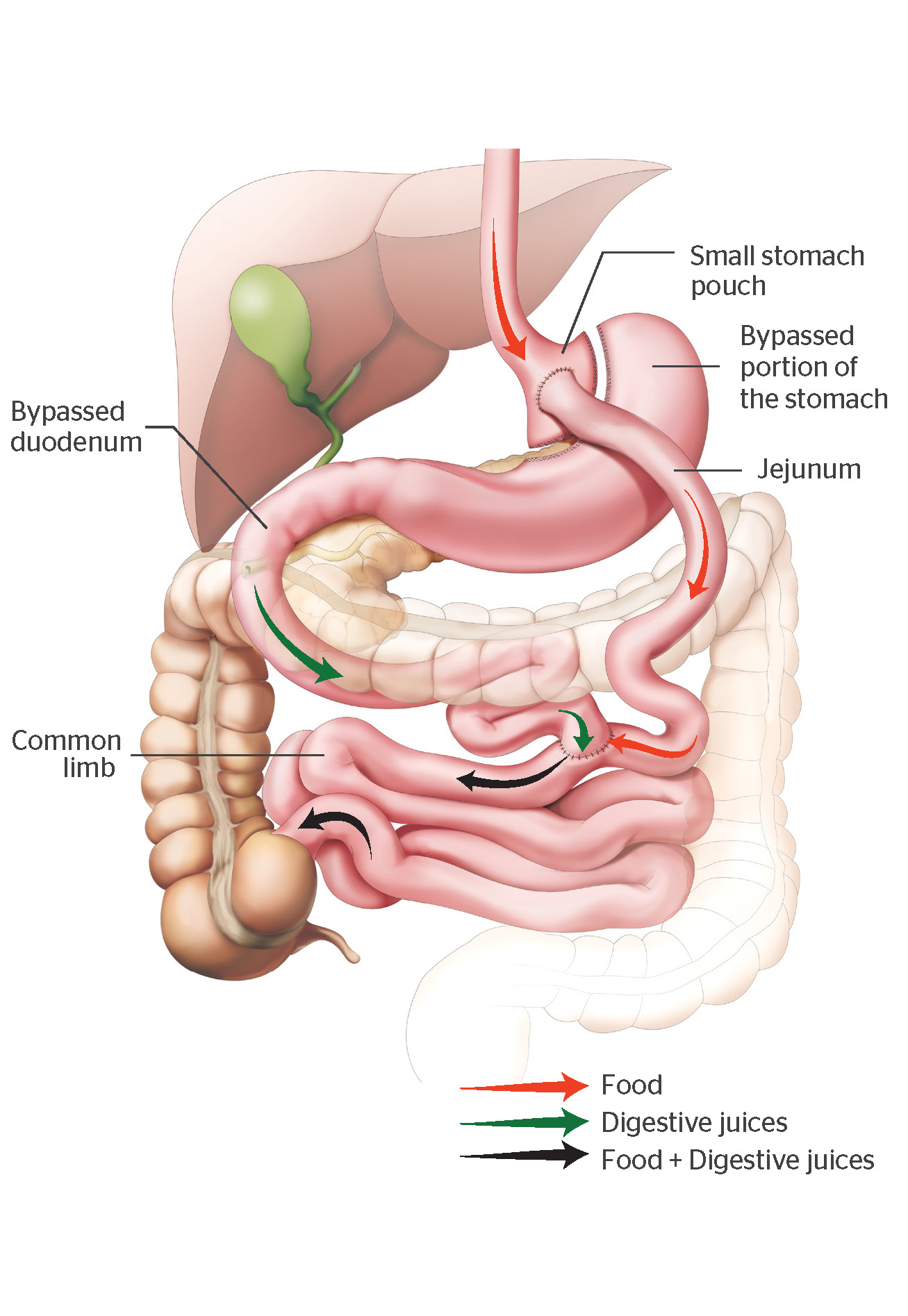
Gastric bypass is performed laparoscopically (keyhole surgery) under general anaesthetic.
The operation involves:
- Creating a small stomach pouch
- Bypassing part of the small intestine
- Reconnecting the bowel to allow food to pass through
This leads to:
- Reduced food intake
- Altered digestion
- Changes in gut hormones
Surgery typically takes 2–3 hours, with a hospital stay of 2–3 days.
Benefits of gastric bypass
Benefits
Gastric bypass is one of the most studied procedures in bariatric surgery.
How much weight can you lose after gastric bypass?
Most patients lose approximately 65–80% of their excess body weight within 12–18 months after gastric bypass surgery. Weight loss typically occurs most rapidly in the first 6–9 months before stabilising. Long-term success depends on nutrition, activity, and follow-up support, with many patients maintaining significant weight loss and improvements in health conditions over time.
Potential benefits include:
Weight and metabolic health
- Significant and sustained weight loss
- Improvement or remission of type 2 diabetes
- Lower blood pressure
- Improved cholesterol levels
Symptoms and quality of life
- Reduced reflux symptoms
- Improved mobility and energy
- Better sleep (including sleep apnoê)
Long-term outcomes
- Reduced risk of cardiovascular disease
- Improved life expectancy in appropriate patients
Risks and complications
What are the risks of gastric bypass surgery?
Gastric bypass is a major operation and carries risks, although serious complications are uncommon. Early risks include bleeding, infection, and leaks from surgical connections. Longer-term risks may include nutritional deficiencies, bowel obstruction, or internal hernia. Careful surgical technique and structured follow-up help reduce these risks and allow early detection and management if problems arise.
What to expect after surgery
Recovery is gradual and supported.
How long does it take to recover from gastric bypass?
Most patients spend 2–3 days in hospital after gastric bypass surgery and return to light activities within 1–2 weeks. Full recovery typically takes 4–6 weeks. Patients progress through staged dietary changes and gradually increase activity. Ongoing follow-up is important to support recovery, monitor nutrition, and optimise long-term outcomes.Patients typically have regular follow-up at 4 weeks, 4 months, 8 months, 12 months, and beyond
Long-term success depends on:
- Nutrition
- Activity
- Ongoing support
Why choose Southern Weight Loss?
Expert care, provided locally
Where is gastric bypass performed in Dunedin?
Gastric bypass surgery at Southern Weight Loss is performed locally in Dunedin by Mark Grant, an experienced, bariatric surgeon, with follow-up care provided across Otago and Southland. Patients benefit from a consistent local team, including dietitian and support services, rather than a visiting or remote model of care. This supports safer recovery and better long-term outcomes.
You will receive:
- Care from Mark Grant, FRACS, Upper GI & Bariatric Surgeon
- A structured programme with dietitian and psychological support
- Regular, in-person follow-up in Dunedin, Otago, and Southland
- Long-term care focused on sustainable results, not quick fixes
This local, team-based approach is a key difference compared with many providers.
Frequently asked questions
How much weight can I lose after gastric bypass?
Most patients lose 65–80% of excess weight within 12–18 months.
Is gastric bypass better than sleeve?
It depends. Gastric bypass is often preferred for:
- Diabetes
- Reflux
- Weight regain
How long does recovery take?
Most patients return to normal daily activities within 2–4 weeks.
Do I need to take vitamins?
Yes. Lifelong vitamin and mineral supplementation is essential.
What does gastric bypass cost in New Zealand?
Costs vary. A detailed estimate is provided during consultation.
Start your journey
If you are considering gastric bypass surgery in Dunedin, Otago, or Southland, the first step is a consultation.
Southern Weight Loss provides:
- Expert assessment
- Personalised treatment planning
- Long-term local support
Book a consultation today
Self-referrals welcome